New World Wine Regions
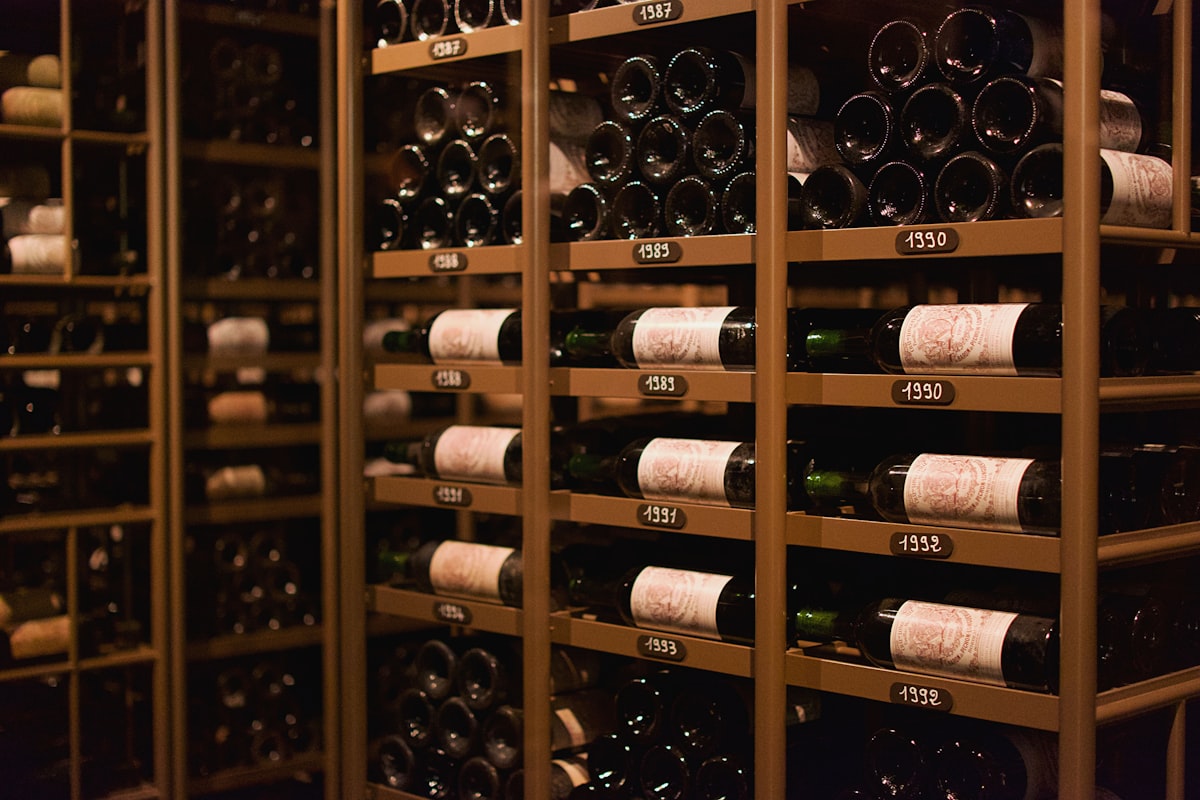
The “New World” covers everywhere outside Europe — the Americas, Australia, New Zealand, South Africa. These regions tend to label wines by grape variety rather than region, give winemakers more creative freedom, and generally produce riper, more fruit-forward styles.
Why this matters: When you pick up a New World bottle, you’ll usually see the grape name front and center (Cabernet Sauvignon, Chardonnay). Old World bottles make you decode the region. Knowing both systems is what separates a wine enthusiast from a casual drinker.
🇺🇸 United States
California
The engine of American wine — roughly 80% of all US wine comes from here.
Napa Valley
Grapes: Cabernet Sauvignon (king here), Chardonnay, Merlot Style: Rich, ripe, structured — often big and bold Key sub-regions:
- Oakville / Rutherford: Cabernet Sauvignon benchmarks. “Rutherford Dust” is a real flavor descriptor.
- Stags Leap District: Famous for beating Bordeaux in the 1976 Judgment of Paris
- Carneros: Cooler, fog-influenced — Chardonnay and Pinot Noir
- Calistoga / Howell Mountain: Warmer, higher elevation, intense Cabs
Sonoma County
Grapes: Pinot Noir, Chardonnay, Zinfandel, Cabernet Sauvignon Style: More diverse and often more restrained than Napa Key sub-regions:
- Russian River Valley: Pinot Noir powerhouse — foggy mornings, warm afternoons
- Dry Creek Valley: Old-vine Zinfandel heartland
- Sonoma Coast: Cool, wind-swept, elegant Pinot Noir and Chardonnay
Santa Barbara County
Grapes: Pinot Noir, Chardonnay, Syrah Style: Cool-climate California — yes, it exists Key sub-regions:
- Sta. Rita Hills: Pinot Noir and Chardonnay driven by cool Pacific winds
- Santa Ynez Valley: If you’ve seen Sideways, you’ve seen this area
Quick Facts:
- The 1976 Judgment of Paris — California wines beat top French wines in a blind tasting, changing the wine world forever
- Spanish missionaries planted the first California vines in the 1700s
- Prohibition (1920-1933) devastated the industry; most wineries ripped out fine grapes and planted thick-skinned varieties for table use or sacramental wine
Drop this at dinner: “In 1976, a California Cabernet and a California Chardonnay beat top Bordeaux and Burgundy wines in a blind tasting in Paris — judged entirely by French wine experts. The wine world has never been the same.”
Oregon
Grapes: Pinot Noir, Chardonnay, Pinot Gris Style: Elegant, cool-climate, closer to Burgundy than to California Key regions:
- Willamette Valley (wil-LAM-it): America’s Pinot Noir capital. Burgundian producers have invested here — Maison Joseph Drouhin opened Domaine Drouhin Oregon.
- Rogue Valley: Warmer, Rhône and Bordeaux varieties
Drop this at dinner: “Oregon’s Willamette Valley is so good for Pinot Noir that Burgundy’s own Drouhin family opened a winery there. That’s the ultimate endorsement.”
Washington State
Grapes: Cabernet Sauvignon, Merlot, Syrah, Riesling Style: Balanced, structured, excellent value Key regions:
- Columbia Valley: Huge area east of the Cascades — desert climate, irrigation-dependent
- Walla Walla: Syrah and Bordeaux varieties — the state’s quality flagship
- Red Mountain: Intense Cabernet and Syrah from a tiny, hot AVA
Quick Facts:
- The Cascade Range creates a rain shadow — vineyards east of the mountains get less than 8 inches of rain per year
- Second-largest wine-producing state in the US
- Over 40,000 acres under vine in the Columbia Valley
New York
Grapes: Riesling, Cabernet Franc, hybrid varieties Style: Cool-climate, high acidity, emerging quality Key regions:
- Finger Lakes: Riesling benchmark for the Eastern US
- Long Island: Maritime climate, Bordeaux-style blends
- Hudson Valley: One of America’s oldest wine regions
🇦🇷 Argentina
The New World’s great Malbec story — and increasingly much more.
Mendoza
Grapes: Malbec, Cabernet Sauvignon, Bonarda Style: Rich, plush, sun-drenched reds with velvety tannins Key sub-regions:
- Luján de Cuyo: Classic Malbec heartland
- Uco Valley (OO-co): Higher elevation (up to 1,500m), more refined and elegant — this is where the buzz is now
- Maipú: Warmer, fruit-forward
Quick Facts:
- Malbec was originally a Bordeaux grape — it nearly went extinct in France due to phylloxera but thrived in Argentina
- Argentina’s high-altitude vineyards (some above 3,000m) produce intense, UV-concentrated fruit
- Mendoza sits in the rain shadow of the Andes — desert conditions, irrigated by snowmelt
Drop this at dinner: “Malbec is actually a French grape that failed in France. Argentina rescued it, and now it’s their national identity. It’s like how pizza is Italian but New York made it famous.”
Salta
Grapes: Torrontés, Malbec Style: Torrontés is Argentina’s signature white — aromatic, floral, Muscat-like Quick Facts:
- Cafayate has some of the highest commercial vineyards in the world (1,700-3,000m)
🇨🇱 Chile
Excellent value wines, unique geography, and one grape that defines the country.
Key Regions
- Maipo Valley: Cabernet Sauvignon — Chile’s Napa equivalent
- Casablanca Valley: Cool-climate whites (Chardonnay, Sauvignon Blanc)
- Colchagua Valley: Rich reds, Carmenère heartland
- Central Valley (Maule, Rapel): Volume production, incredible value
Signature Grape: Carmenère (car-men-AIR) — thought extinct in Bordeaux, rediscovered in Chile in 1994. It had been mislabeled as Merlot for decades.
Quick Facts:
- Chile is sandwiched between the Andes and the Pacific — natural barriers that kept phylloxera out
- Chilean vines are mostly ungrafted, meaning some of the oldest Cabernet and Merlot rootstock in the world
Drop this at dinner: “Chile’s Carmenère was thought to be extinct — they found it by accident in the ’90s growing in Chilean vineyards, mislabeled as Merlot. Now it’s their signature grape.”
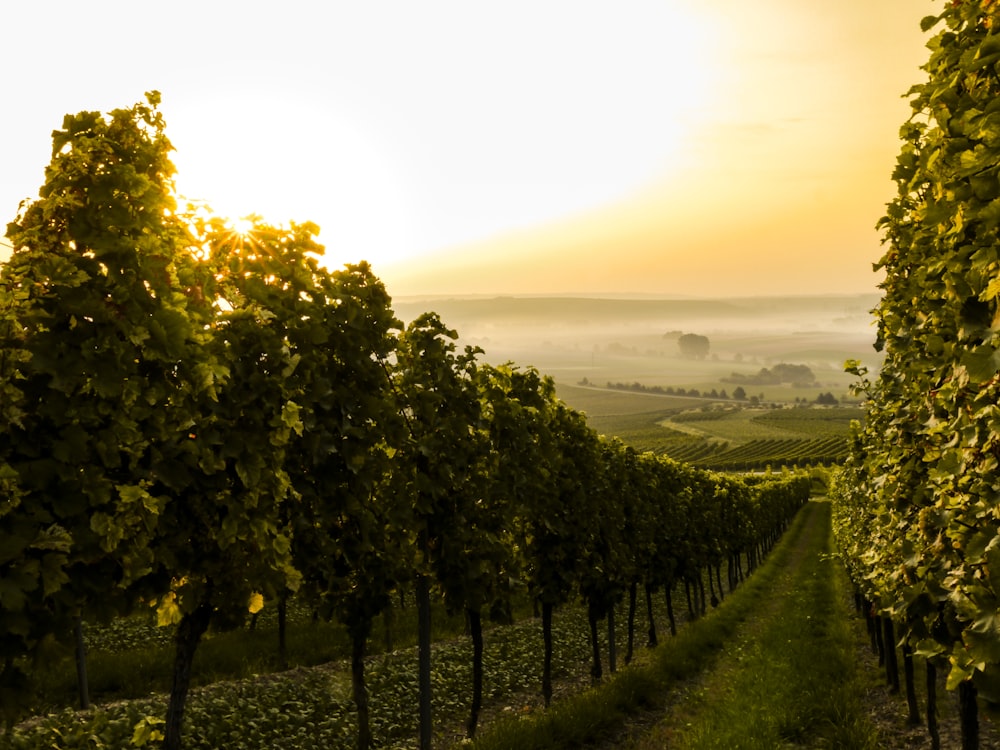
🇦🇺 Australia
From massive Shiraz to elegant cool-climate wines, Australia’s range is broader than most people realize.
Barossa Valley
Grapes: Shiraz, Grenache, Riesling (yes, Riesling) Style: Powerful, concentrated Shiraz — big, bold, unapologetic Quick Facts:
- Home to some of the oldest vines in the world — pre-phylloxera Shiraz vines over 150 years old
- The Barossa never had phylloxera, so vines grow on their own rootstock
McLaren Vale
Grapes: Shiraz, Grenache, Cabernet Sauvignon Style: Full-bodied, Mediterranean influence, slightly more refined than Barossa
Margaret River
Grapes: Cabernet Sauvignon, Chardonnay Style: Bordeaux-style blends and structured Chardonnay — Australia’s most “European” region
Hunter Valley
Grapes: Semillon, Shiraz Style: Hunter Semillon is a unicorn — picked early, low alcohol, unoaked, and transforms completely with 10-20 years of aging
Drop this at dinner: “Hunter Valley Semillon is one of the most underrated white wines in the world. It’s bottled at 10-11% alcohol with zero oak, tastes like nothing special — then ages into something extraordinary over a decade.”
Adelaide Hills
Grapes: Sauvignon Blanc, Chardonnay, Pinot Noir Style: Cool-climate, elegant
Tasmania
Grapes: Pinot Noir, Chardonnay Style: Cool-climate, increasingly excellent sparkling wine
🇳🇿 New Zealand
Small country, massive impact — especially for one grape.
Marlborough
Grapes: Sauvignon Blanc Style: Intense, herbaceous, tropical, unmistakable Quick Facts:
- Marlborough basically put New Zealand on the wine map
- Sauvignon Blanc from here is a love-it-or-hate-it style — pungent, grassy, passion fruit
- Cloudy Bay was the wine that started it all in the 1980s
Central Otago
Grapes: Pinot Noir Style: Dark fruit, earthy, concentrated — the world’s southernmost wine region Quick Facts:
- Continental climate (unlike most of NZ which is maritime)
- Rapidly rising reputation for world-class Pinot Noir
Hawke’s Bay
Grapes: Syrah, Cabernet blends, Chardonnay Style: New Zealand’s best red wine region — warmer and more structured
Drop this at dinner: “New Zealand’s Central Otago is the southernmost wine region on earth, and it’s producing Pinot Noir that rivals Burgundy at a fraction of the price.”
🇿🇦 South Africa
A wine history dating to 1659, a unique signature grape, and some of the best value in the Southern Hemisphere.
Signature Grape: Pinotage (pee-no-TAHJ) — a cross between Pinot Noir and Cinsault, created in South Africa in 1925. Love it or hate it, it’s uniquely South African.
Stellenbosch
Grapes: Cabernet Sauvignon, Pinotage, Bordeaux blends Style: South Africa’s red wine capital — structured, age-worthy
Constantia
Grapes: Sauvignon Blanc, dessert wines Style: Historic region — Constantia dessert wines were favored by Napoleon and European royalty in the 18th century
Swartland
Grapes: Chenin Blanc, Syrah, Grenache Style: The revolution zone — natural wine, old-vine Chenin, Rhône-style reds Quick Facts:
- Chenin Blanc is South Africa’s most-planted grape (locally called Steen)
- The Swartland is driving South Africa’s modern wine renaissance
Walker Bay
Grapes: Pinot Noir, Chardonnay Style: Cool-climate, Burgundian aspirations
Drop this at dinner: “South Africa’s Chenin Blanc is arguably the most versatile white wine in the world — and it’s absurdly underpriced. They’ve been growing it for over 350 years.”
🇧🇷 Brazil
Vale dos Vinhedos (VAH-lay dohs veen-YAY-dohs)
Grapes: Merlot, Cabernet Sauvignon, sparkling varieties Style: Emerging quality, especially sparkling wine from the Serra Gaúcha highlands Quick Facts:
- South America’s third-largest wine producer
- Italian immigrant influence (late 19th century)
- Southern Brazil has a surprisingly cool, elevated climate
🇲🇽 Mexico
Baja California (Valle de Guadalupe)
Grapes: Tempranillo, Nebbiolo, Cabernet Sauvignon, Grenache Style: Mediterranean climate, increasingly trendy Quick Facts:
- Mexico is actually the oldest wine-producing country in the Americas — Spanish missionaries planted vines in the 1500s
- Valle de Guadalupe is having a moment, sometimes called “the Napa of Mexico”
🇨🇦 Canada
Niagara Peninsula (Ontario)
Grapes: Riesling, Chardonnay, Pinot Noir Style: Cool-climate wines, and the world’s largest producer of Icewine Quick Facts:
- Icewine is made from grapes left on the vine until they freeze (below -8°C), concentrating sugars into a luscious dessert wine
- The Niagara Escarpment provides a unique mesoclimate
Okanagan Valley (British Columbia)
Grapes: Pinot Noir, Syrah, Riesling, Pinot Gris Style: Desert climate (yes, in Canada), diverse styles — increasingly serious quality