Old World Wine Regions
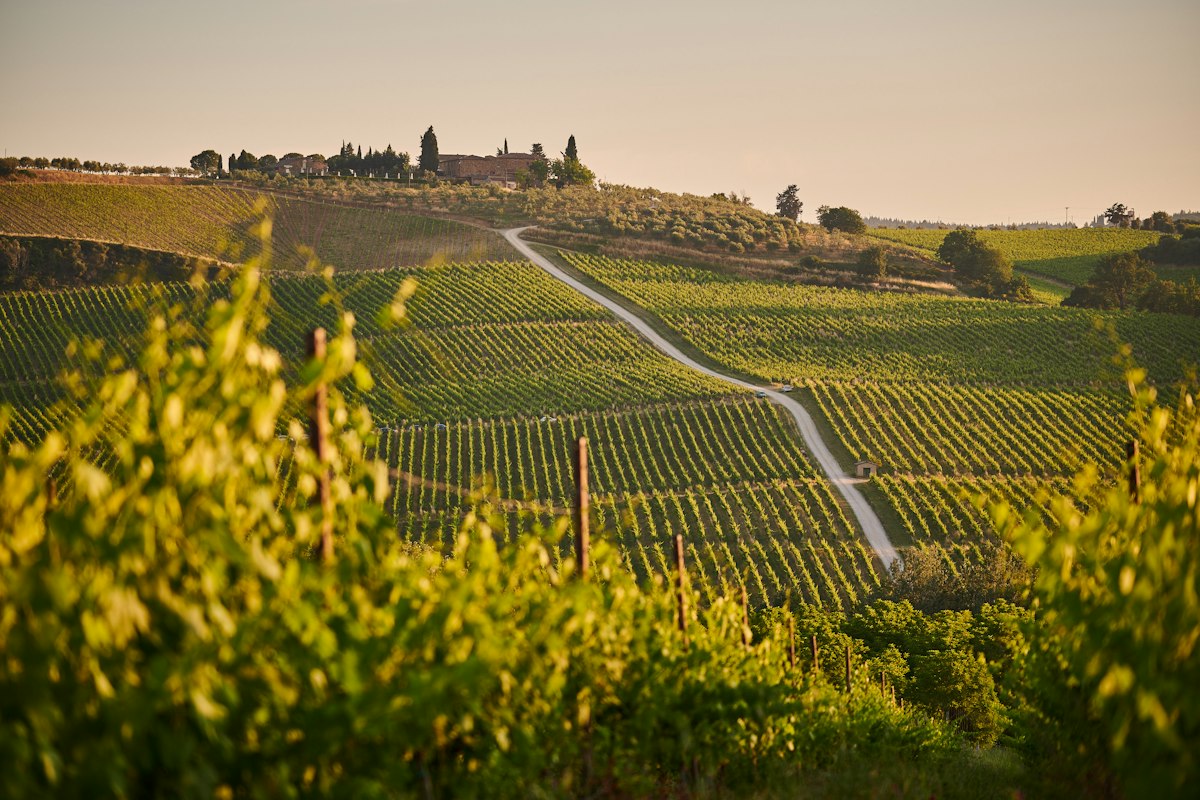
The “Old World” is Europe — where wine has been made for thousands of years. These regions wrote the rulebook that everyone else follows. Old World wines are typically named after where they’re from rather than what grape they’re made of, which is why knowing your geography is the key to decoding a wine list.
Why this matters: When someone says “I had a great Burgundy,” they mean Pinot Noir (red) or Chardonnay (white) from Burgundy, France. Knowing this code is step one to sounding like you know what you’re talking about.
🇫🇷 France
France is the reference point for most of the wine world. Nearly every major grape variety is benchmarked against a French region.
Bordeaux (bor-DOH)
Grapes: Cabernet Sauvignon, Merlot, Cabernet Franc, Petit Verdot, Malbec Style: Full-bodied blends with structure and aging potential Key sub-regions:
- Left Bank (Médoc, Graves, Pauillac, Saint-Julien): Cabernet Sauvignon-dominant, structured, firm tannins. The Graves region is named for its famous gravel soils.
- Right Bank (Pomerol, Saint-Émilion): Merlot-dominant, plush, velvety, more approachable young.
Quick Facts:
- The 1855 Classification ranked Bordeaux’s top estates and still largely holds today — over 160 years later
- Cru Classé (“classified growth”) is the gold standard
- Almost all Bordeaux reds are blends, never single-variety
Drop this at dinner: “Bordeaux is always a blend — the Left Bank leads with Cabernet, the Right Bank leads with Merlot. If someone says they ‘don’t like Merlot,’ hand them a Pomerol and watch their face.”
Burgundy (bur-GUN-dee / Bourgogne: boor-GON-yuh)
Grapes: Pinot Noir (red), Chardonnay (white) Style: Elegant, nuanced, obsessively terroir-driven Key sub-regions:
- Côte de Nuits: The great Pinot Noirs — Gevrey-Chambertin (zhev-RAY sham-bare-TAN), Vosne-Romanée, Nuits-Saint-Georges
- Côte de Beaune: White Burgundy heartland — Meursault (mehr-SO), Puligny-Montrachet (poo-lee-NYEE mon-ra-SHAY)
- Chablis: Crisp, mineral, unoaked Chardonnay
- Beaujolais: Technically southern Burgundy but made from Gamay, not Pinot Noir
Quick Facts:
- Only two grapes matter here: Pinot Noir and Chardonnay (plus Gamay in Beaujolais)
- Burgundy’s Climats — individually named vineyard plots — are UNESCO World Heritage sites
- A “clos” is a walled vineyard; Clos de Vougeot is the most famous example
- Hierarchy: Regional → Village → Premier Cru → Grand Cru
Drop this at dinner: “In Burgundy, the vineyard matters more than the winemaker. Two plots separated by a dirt path can produce completely different wines — that’s terroir in action.”
Rhône Valley (RONE)
Grapes: Syrah, Grenache, Mourvèdre (red); Viognier, Roussanne, Marsanne (white) Style: Bold, spicy, generous Key sub-regions:
- Northern Rhône: Syrah-dominated. Hermitage (air-mee-TAHJ), Côte-Rôtie (coat ro-TEE) — steep hillside vineyards, intense and age-worthy
- Southern Rhône: Grenache-based blends. Châteauneuf-du-Pape (shah-toe-NUFF doo POP) allows 13 grape varieties in its blends
Quick Facts:
- Northern and Southern Rhône are almost like two different regions
- Châteauneuf-du-Pape means “new castle of the Pope” — the papal court was in Avignon in the 14th century
- The famous large stones (galets roulés) in Châteauneuf absorb heat during the day and radiate it at night
Drop this at dinner: “If you like bold Australian Shiraz, try a Northern Rhône Syrah — it’s the same grape, but the French version is the original, with more restraint and pepper.”
Loire Valley (LWAHR)
Grapes: Chenin Blanc, Sauvignon Blanc, Cabernet Franc Style: Diverse — from bone-dry whites to sparkling to light reds Key sub-regions:
- Sancerre / Pouilly-Fumé (poo-YEE foo-MAY): Sauvignon Blanc benchmarks — flinty and mineral
- Vouvray (voo-VRAY): Chenin Blanc in every style — dry, off-dry, sweet, and sparkling
- Chinon / Saumur-Champigny: Cabernet Franc reds — lighter and more herbaceous than Bordeaux
Drop this at dinner: “If you want to impress a sommelier, order a Loire Chenin Blanc. It’s the most underrated white grape in France — it can do everything from bone-dry to dessert wine.”
Champagne (sham-PAN-yuh)
Grapes: Chardonnay, Pinot Noir, Pinot Meunier (mun-YAY) Style: Sparkling wine via the traditional method (méthode champenoise) Key sub-regions:
- Montagne de Reims: Pinot Noir heartland
- Côte des Blancs: Chardonnay — this is where Blanc de Blancs comes from
- Vallée de la Marne: Pinot Meunier — adds fruitiness and approachability to blends
Quick Facts:
- Only sparkling wine from this specific region can legally be called “Champagne”
- Blanc de Blancs: 100% Chardonnay. Blanc de Noirs: 100% red grapes (Pinot Noir and/or Meunier), still white wine
- Non-vintage must age at least 15 months; vintage Champagne at least 36 months
Drop this at dinner: “If a sparkling wine isn’t from Champagne, it isn’t Champagne — it’s Crémant, Cava, or just sparkling wine. And honestly, some of those are better value.”
Alsace (al-ZASS)
Grapes: Riesling, Gewürztraminer (geh-VURTS-trah-mee-ner), Pinot Gris, Muscat Style: Aromatic, dry to off-dry whites Key facts:
- One of the few French regions that labels by grape variety (like the New World)
- Protected by the Vosges mountains — one of the driest climates in France
- Grand Cru vineyards produce some of France’s finest white wines
Drop this at dinner: “Alsace is France’s best-kept white wine secret. It labels by grape like the New World does, so it’s easy to navigate — but the wines are unmistakably Old World.”
🇮🇹 Italy
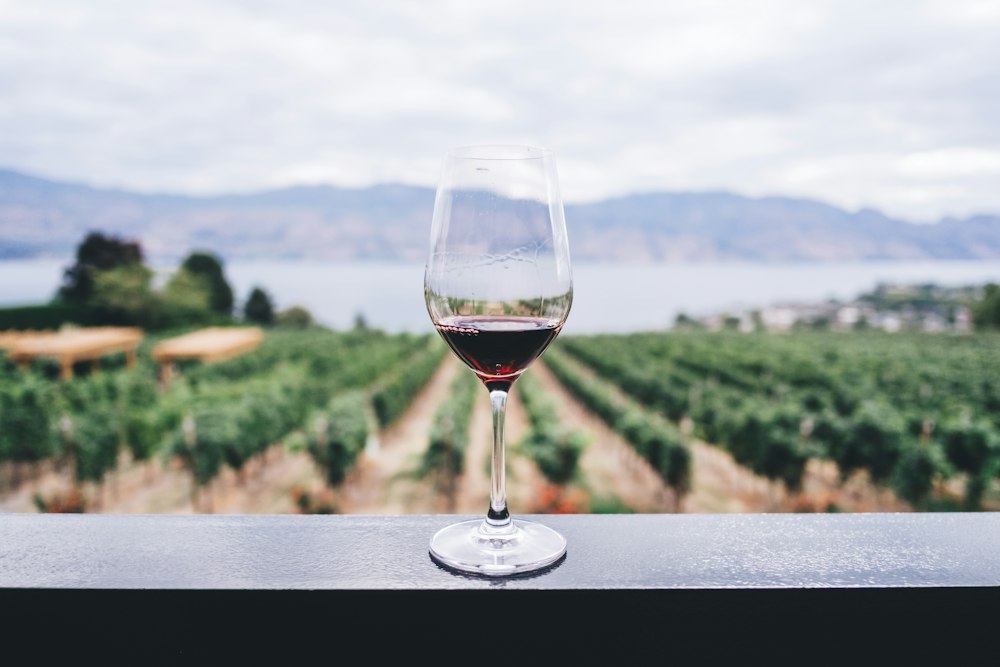
Italy produces more wine than any other country and has indigenous grapes found nowhere else.
Tuscany (Toscana)
Grapes: Sangiovese (san-jo-VAY-zeh), plus Cabernet and Merlot in Super Tuscans Style: Bright acidity, cherry-forward reds Key sub-regions:
- Chianti Classico: The heartland of Sangiovese — look for the black rooster (Gallo Nero) on the label
- Brunello di Montalcino (mohn-tahl-CHEE-no): 100% Sangiovese, aged minimum 5 years — powerful and long-lived
- Bolgheri: Home of Super Tuscans — Bordeaux varieties planted in Italian soil
Quick Facts:
- Chianti and Brunello di Montalcino are different wines from different parts of Tuscany — don’t confuse them
- Super Tuscans were created by rebel winemakers who broke Italian wine law by using French grapes — and the wines were so good they changed the rules
Drop this at dinner: “Super Tuscans started as an act of rebellion — winemakers deliberately broke DOC rules to use Cabernet and Merlot. The wines were so good that Italy eventually rewrote its classification system to accommodate them.”
Piedmont (pee-AY-mon-tay / Piemonte)
Grapes: Nebbiolo (neb-ee-OH-lo) (Barolo/Barbaresco), Barbera, Dolcetto Style: Nebbiolo delivers pale color with powerful tannins, tar, and roses Key sub-regions:
- Barolo: “The King of Wines” — minimum 38 months aging (18 in oak). Can age for decades.
- Barbaresco: Barolo’s more approachable sibling — minimum 26 months aging
- Asti: Home of Barbera d’Asti (fruity, high-acid everyday reds) and Moscato d’Asti (lightly sparkling sweet wine)
Drop this at dinner: “Barolo fools people because it’s pale — it looks light but it’ll grip your palate like a vice. Nebbiolo is one of the most deceptive grapes in the world.”
Veneto
Grapes: Glera (Prosecco), Corvina (Amarone/Valpolicella) Style: Ranges from light Prosecco to massive Amarone Key sub-regions:
- Prosecco: Fresh, floral sparkling wine made by the tank method (not the Champagne method — and that’s not a bad thing)
- Amarone della Valpolicella: Grapes are dried for 3-4 months (appassimento) before pressing, concentrating flavors into a rich, raisiny, powerful wine
- Soave (so-AH-vay): Crisp whites from Garganega
Drop this at dinner: “Amarone is made from grapes that are basically raisins — they dry them for months before fermenting. It’s why the wine is so intense and often 15%+ alcohol.”
🇪🇸 Spain
Spain has more land under vine than any other country, though it produces less wine than France or Italy (lower yields, hotter climate).
Rioja (ree-OH-ha)
Grapes: Tempranillo, Garnacha, Graciano, Mazuelo Style: Oak-aged reds with vanilla and leather notes Aging categories:
- Joven (HO-ven): No or minimal oak aging — fruit-forward
- Crianza (cree-AHN-tha): 2 years total, at least 1 year in oak
- Reserva: 3 years total, at least 1 year in oak
- Gran Reserva: 5 years total, at least 2 years in oak
Drop this at dinner: “Rioja’s aging categories are printed right on the bottle. Gran Reserva means 5+ years of aging before release — you’re drinking something the winery already cellared for you.”
Priorat (pree-oh-RAHT)
Grapes: Garnacha, Cariñena Style: Powerful, mineral-driven, from steep hillside vineyards Quick Facts:
- One of only two DOCa regions in Spain (alongside Rioja) — the highest quality classification
- Llicorella (slate/schist) soil gives intense mineral character
- Old-vine Garnacha produces some of Spain’s most concentrated wines
Rías Baixas (REE-ahs BYE-shass)
Grapes: Albariño (al-bah-REE-nyo) Style: Zesty, crisp whites with citrus and a saline edge — the ultimate seafood wine
Drop this at dinner: “Albariño from Rías Baixas is the perfect seafood wine. The vineyards are right on the Atlantic coast in Galicia — the wine practically tastes like sea spray.”
🇩🇪 Germany
Germany is Riesling’s spiritual home and produces some of the world’s most age-worthy white wines.
Mosel (MO-zel)
Grapes: Riesling Style: Light-bodied, laser acidity, often with residual sweetness Quick Facts:
- Famous slate (Schiefer) soils on impossibly steep hillside vineyards
- Some of the steepest vineyards in the world — harvested by hand only
- Mosel Rieslings can age for decades
Rheingau (RINE-gow)
Grapes: Riesling, Spätburgunder (Pinot Noir) Style: Fuller-bodied Rieslings than Mosel, often drier
Pfalz (FAULTS)
Grapes: Riesling, Grauburgunder (Pinot Gris), Spätburgunder Style: Warmer by German standards, riper fruit
German Label Decoder:
- Trocken: Dry
- Kabinett: Lightest, most delicate
- Spätlese (SHPAYT-lay-zuh): Late harvest, more concentration
- Auslese: Select harvest, often sweet
- Beerenauslese / Trockenbeerenauslese: Ultra-sweet dessert wines from botrytized grapes
Drop this at dinner: “German Riesling is the most misunderstood wine in the world. People think it’s always sweet, but dry German Riesling — look for ‘Trocken’ on the label — is one of the greatest food wines on earth.”
🇵🇹 Portugal
Portugal is far more than just Port — it’s one of Europe’s most exciting and undervalued wine countries.
Douro Valley
Grapes: Touriga Nacional, Touriga Franca, Tinta Roriz (Tempranillo), and dozens more Style: Both fortified (Port) and increasingly excellent dry reds Quick Facts:
- The Douro produces Port and world-class dry reds from the same vineyards
- Terraced vineyards carved into steep granite hillsides
- Over 250 indigenous grape varieties in Portugal
Vinho Verde (VEEN-yo VAIR-day)
Grapes: Alvarinho, Loureiro Style: Light, slightly fizzy, low-alcohol whites — perfect summer drinking
Alentejo (ah-len-TAY-zho)
Grapes: Aragonez (Tempranillo), Trincadeira Style: Full-bodied, sun-drenched reds at excellent value
Drop this at dinner: “Portugal has over 250 indigenous grape varieties — more than France. And the Douro Valley makes both Port and seriously good dry reds. It’s the best value in European wine right now.”
🇬🇧 England
Sussex, Kent & Hampshire
Grapes: Chardonnay, Pinot Noir, Pinot Meunier Style: Traditional-method sparkling wine
Quick Facts:
- English sparkling wine (never call it “Champagne”) has been winning blind tastings against actual Champagne
- The chalk soils in southern England are geologically identical to those in Champagne
- Production has grown dramatically since the 2000s, helped by climate change pushing viable wine-growing further north
Drop this at dinner: “English sparkling wine is made from the same grapes, using the same method, on the same chalk soils as Champagne — just across the Channel. And it keeps beating Champagne in blind tastings.”